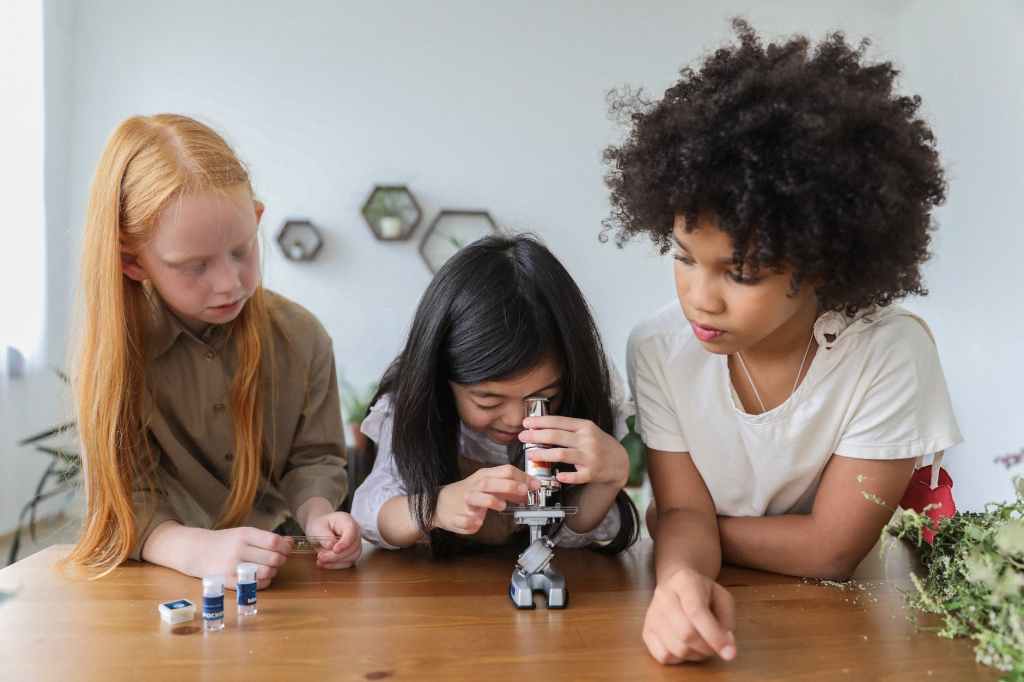
Diversity can be defined as the unique differences found in people’s race, ethnicity, gender, ability, religion, or culture. Embracing diversity means to celebrate and appreciate these differences rather than being afraid of or judging them. It is important to foster cultural awareness and empathy in children because it will broaden their understanding of the world around them and help them become well-rounded individuals.
Children are exposed to diversity in different ways, such as through their friends, school, neighborhood, and media. The best way to embrace diversity is by teaching children about it from a young age. Parents, caregivers, and educators can play a vital role in creating a learning environment that fosters cultural awareness and empathy.
One way to do this is by exposing children to different cultures, traditions, and beliefs. This can be done by reading books about diverse cultures, cooking different types of food, watching videos about different parts of the world, attending events that celebrate different cultures or visiting museums. Exposing children to different cultures and traditions will help them understand and appreciate the differences in people.
Another way to embrace diversity is by encouraging children to interact with people from different backgrounds. This can be done by enrolling children in sports teams, clubs, or community centers where they can meet and make friends with diverse groups of people. Encouraging children to spend time with people who are different from them will help them develop empathy and an appreciation for others.
Fostering cultural awareness and empathy can also be achieved by teaching children about their own cultural identity. Parents and caregivers can teach children about their family’s cultural history or traditions, and help them understand their place in society. Teaching children about their own culture will help them appreciate their own identity while learning about others.
In addition, parents and caregivers can also model acceptance and respect for diversity. Children often learn through observation, so it is important for adults to model inclusive behaviors, such as not making assumptions about people or cultures, and respecting the differences in others.
Embracing diversity is essential in our increasingly diverse world. Fostering cultural awareness and empathy in children will help them become accepting and respectful adults. By creating a learning environment that embraces diversity, and by modeling inclusive behaviors, we can help children become equipped to embrace and celebrate differences, ultimately leading to a more empathetic and inclusive society.
 Lev Grows
Leave a comment