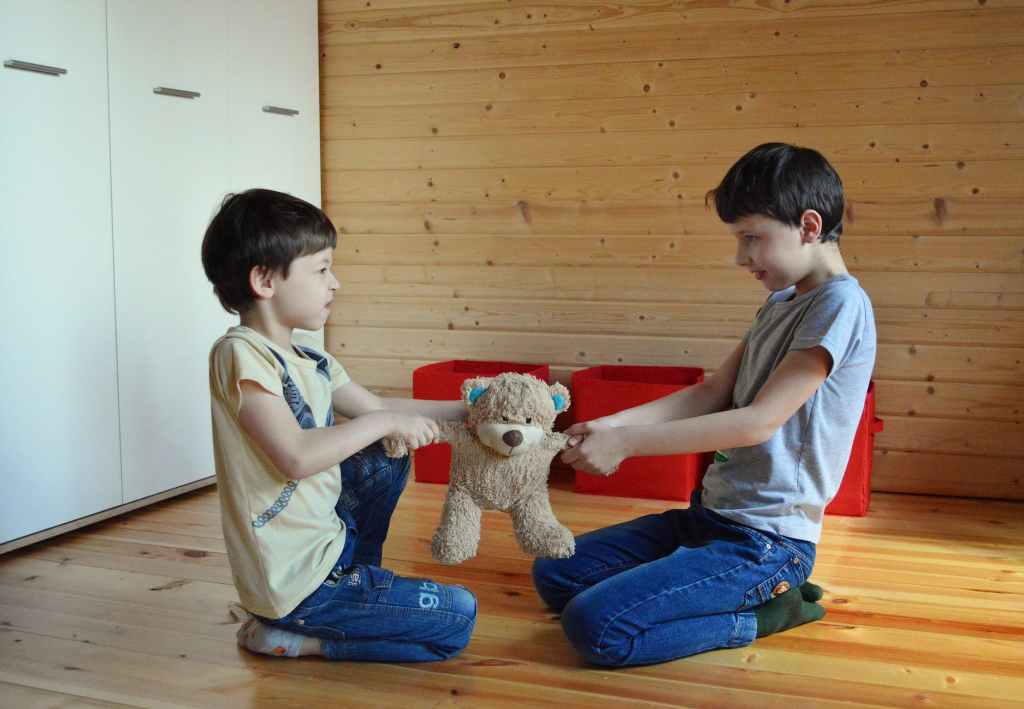
Conflict is a fact of life, and nobody has it easy when it comes to dealing with disagreements, disputes or differences of opinion. Teaching kids how to handle conflicts is a challenge for teachers, parents and caregivers alike. However, it is an essential part of growing up and developing healthy relationships.
Conflict resolution skills should be taught to kids while they are young so that they can be equipped with the tools they need to manage any conflicts that may arise throughout their lives. These skills can have a profound impact on their social development and their ability to overcome challenges and build healthy relationships.
The first step to teaching kids how to handle conflicts is to help them understand what conflict is, and why it is not a bad thing. In fact, conflict can be a healthy part of any relationship, as it helps people to learn how to communicate, listen, empathize and compromise. Kids should be taught that differences of opinion are natural, and that it is normal to disagree with others from time to time.
Secondly, kids need to be taught how to deal with their emotions during a conflict. They should be encouraged to express how they feel, but also to listen to the other person’s perspective. As a parent, caregiver or teacher, you can help them identify what they are feeling – whether it is anger, hurt or frustration – and teach them how to express it in an appropriate way.
One of the key skills for conflict resolution is active listening. Kids should be taught how to listen attentively to what the other person is saying and understand their point of view. Active listening involves paying attention to what the person is saying and responding in a way that shows you understand their perspective.
Another important skill for conflict resolution is empathy. Kids should be taught how to put themselves in the other person’s shoes and understand how they are feeling. Empathy helps kids to see things from a different perspective, and can lead to more successful problem-solving.
Finally, kids need to be taught how to come up with solutions that work for everyone involved. This involves brainstorming ideas, evaluating them, and choosing the best solution together. Encourage kids to be open-minded and creative in coming up with solutions.
In conclusion, teaching kids how to handle conflicts is an essential part of their social development. By teaching them how to deal with their emotions, listen actively, empathize and problem-solve, we can help them to build healthy relationships, overcome challenges, and thrive in life.
 Lev Grows
Leave a comment