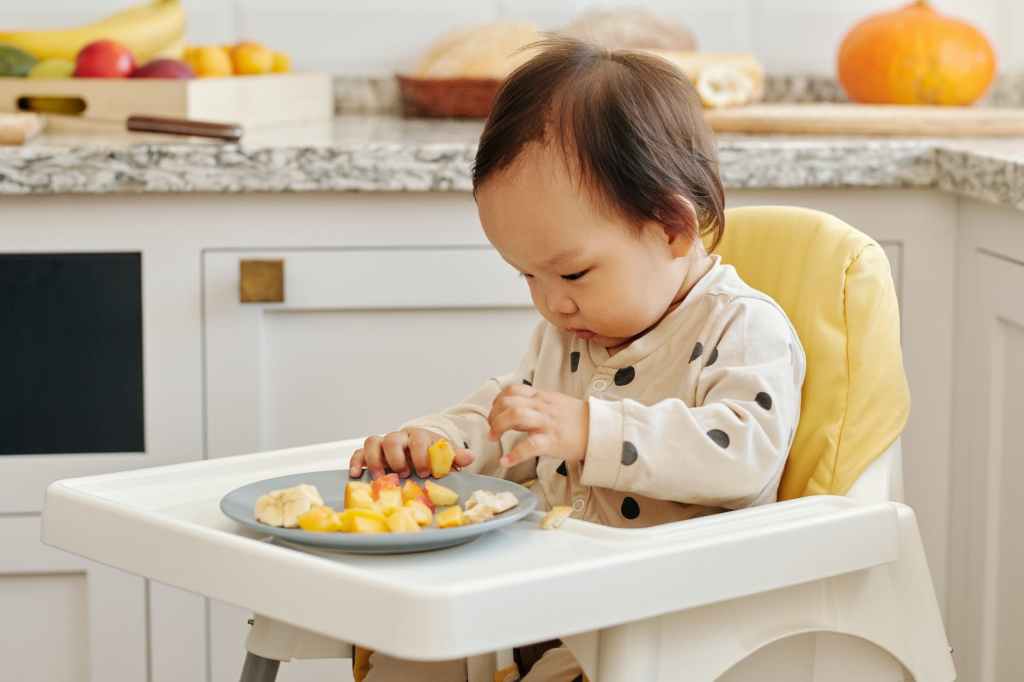
As a parent, dealing with picky eating children can be a challenging and frustrating experience. Whether it’s battling over broccoli or coaxing with carrots, mealtimes can become a battleground with your little ones. However, with a few strategies and a positive approach, you can guide your child towards healthier eating habits and help them develop a better relationship with food. In this article, we will explore various techniques to handle picky eating children and make mealtimes a more enjoyable experience for both you and your child.
Be patient and consistent
It’s essential to remain patient and consistent when introducing new foods to your child. It can take up to 15 exposures for a child to accept and enjoy a new food. Continue offering a variety of healthy options, even if your child initially rejects them. By doing so, you’re teaching your child that these foods are part of a normal, balanced diet.
Make meals a fun and engaging experience
One way to encourage picky eaters to try new foods is by making mealtime a fun and engaging experience. Get creative with food presentation, use colorful plates and cutlery, or cut fruits and vegetables into interesting shapes. You can also involve your child in meal planning and preparation, which can pique their interest and make them more inclined to try new dishes.
Be a positive role model
Children are more likely to adopt healthy eating habits if they see their parents and caregivers enjoying a variety of nutritious foods. Make sure you’re eating a well-balanced diet and demonstrate a positive attitude towards trying new dishes. By doing so, you’ll help create an environment where healthy eating is the norm.
Avoid using food as a reward or punishment
Using food as a reward or punishment can create an unhealthy relationship with food and lead to long-term eating issues. Instead, praise your child’s efforts and willingness to try new foods and encourage them to explore different flavors and textures. Find non-food-related rewards for good behavior, such as extra playtime or a special activity.
Offer choices, but within limits
Give your child some control over their meals by offering a limited number of healthy choices. For example, you might ask if they prefer carrots or cucumbers with dinner. This approach allows your child to feel empowered in their decision-making while ensuring they consume a balanced diet.
Minimize distractions during mealtimes
Keep distractions, such as television or electronic devices, away from the dining table. Encourage conversation and create a calm, relaxed atmosphere during meals. This will help your child focus on their food and become more aware of their hunger and fullness cues.
Don’t force-feed
It’s essential not to force your child to eat when they’re not hungry or to finish their plate when they’re full. This can lead to negative associations with food and may even result in overeating. Instead, encourage them to listen to their body and respect their hunger and fullness signals.
Seek professional help if necessary
If your child’s picky eating habits are causing significant distress or impacting their growth and development, it may be necessary to consult a pediatrician or registered dietitian. These professionals can provide guidance and support to help your child develop a healthier relationship with food.
 Lev Grows
Leave a comment