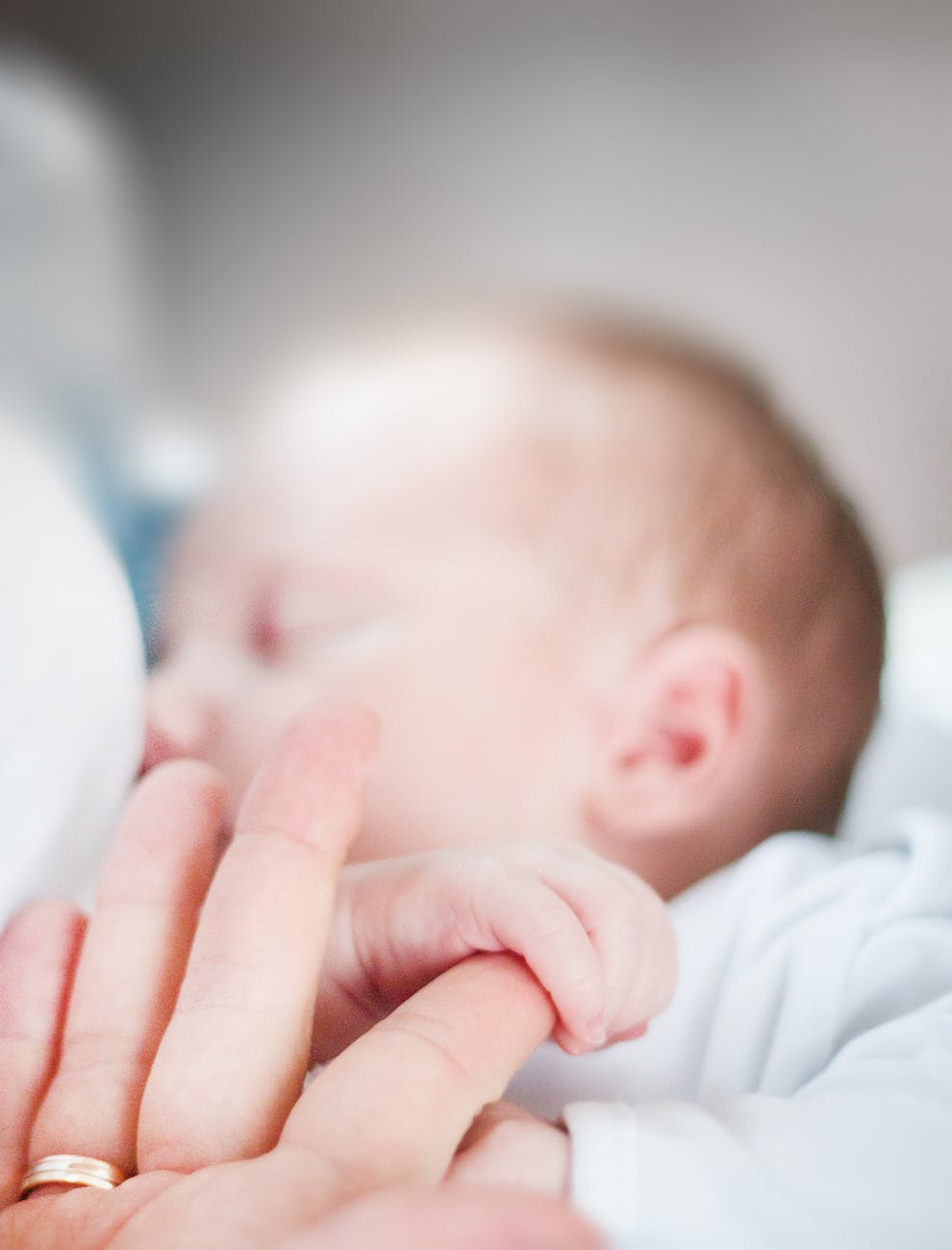
The second week of a newborn’s life marks the beginning of a remarkable journey in development and bonding. As new parents, you might find this period filled with excitement, challenges, and a fair amount of adjustment. This article aims to provide insights into your newborn’s developmental milestones during this time, as well as tips and advice to help you navigate through the challenges.
Developmental Milestones
- Physical Growth: In the second week, your newborn will continue to grow at a rapid pace. They may gain around 5-7 ounces (140-200 grams) per week and grow about 1/2 to 1 inch (1.25 to 2.5 centimeters) in length. Their head circumference will also increase as their brain develops.
- Sleep Patterns: Newborns typically sleep for 16-18 hours per day during their first weeks of life. Their sleep is divided into numerous short periods, and they may wake up frequently for feeding. Don’t be alarmed if your baby’s sleep pattern seems erratic – it’s entirely normal.
- Reflexes and Movements: Your newborn’s reflexes will still be present, such as the rooting, sucking, and Moro (startle) reflexes. You’ll notice your baby’s movements becoming slightly more coordinated, although they’ll still be mostly involuntary.
- Sensory Development: Your baby’s senses continue to develop during the second week. Their sense of touch is quite advanced, and they’ll begin to explore their world by feeling different textures. Their hearing is improving too, so they’ll be more responsive to your voice and other familiar sounds.
Challenges and Tips for New Parents
- Feeding: During the second week, your newborn will need to feed every 2-3 hours. Ensuring proper latch and positioning is crucial for successful breastfeeding. If you’re struggling with breastfeeding, don’t hesitate to seek help from a lactation consultant or your pediatrician.
- Diaper Duty: Be prepared to change your baby’s diaper around 10-12 times a day. Keep an eye out for any signs of diaper rash and take preventive measures by changing diapers frequently, using a gentle diaper rash cream, and allowing for some diaper-free time.
- Umbilical Cord Care: The umbilical cord stump will typically fall off within the first two weeks of life. Until then, keep the area clean and dry by using a cotton swab dipped in rubbing alcohol. If you notice any signs of infection, such as redness, swelling, or discharge, contact your pediatrician immediately.
- Bonding and Soothing: The second week is an excellent time to establish bonding and soothing routines. Skin-to-skin contact, gentle rocking, and baby massage can help calm your baby and foster a strong emotional connection between you and your newborn.
- Self-care for Parents: Don’t forget to take care of yourself during this time. It’s crucial to maintain a healthy diet, stay hydrated, and get some rest when possible. Reach out to your support system, such as family and friends, to help with household chores or watch the baby while you take a nap.
The second week of your newborn’s life is an exciting time filled with growth and change. By understanding the developmental milestones and challenges you may face, you can better support your baby and adapt to your new role as a parent. Don’t hesitate to seek guidance from professionals and your support network, and remember to prioritize self-care during this transformative period.
 Lev Grows
Leave a comment